


How extreme heat damages commercial roofing membranes
By Jesse Sanchez.
Intense summer temperatures can accelerate membrane deterioration, weaken seams and expose commercial roofs to premature failure.
Extreme heat can take a serious toll on commercial roofing long before damage becomes visible from the ground. Kodiak Roofing & Waterproofing explains that sustained summer temperatures place roofing systems under chemical and structural stress, with dark or aging membranes potentially reaching surface temperatures of 180 to 190 degrees even when the air temperature is significantly lower.
At those temperatures, roofing polymers can soften, oxidize and lose the flexibility needed to maintain a watertight barrier. Ultraviolet exposure further accelerates deterioration by breaking down the chemical bonds that provide tensile strength and elasticity. The effects vary by membrane type. Thermoplastic polyolefin (TPO) membranes reflect solar radiation, but prolonged heat can weaken seams as the material oxidizes and hardens near welded edges. Surface chalking is an early indication that ultraviolet exposure is degrading the membrane’s protective outer layer.
Ethylene propylene diene monomer (EPDM) membranes are particularly vulnerable to heat-accelerated shrinkage. As the material ages, it can contract, pulling away from parapet walls, lifting flashings and opening adhesive-bonded seams.
Modified bitumen systems face a different challenge. High surface temperatures can soften the asphalt component, causing rippling, aggregate displacement and surface distortion. Repeated heat exposure can also produce alligatoring, a pattern of deep cracking that develops as the material hardens and loses flexibility.
Extreme heat can also intensify roof blistering. Blisters form when trapped air or moisture expands beneath a heated membrane, separating it from the substrate. Although an intact blister may not leak immediately, repeated heating and cooling can fatigue the surrounding material until it ruptures.
Property managers should inspect roofs after the summer season for cracking, chalking, lifted edges, separating flashings and blistering. These conditions may indicate declining membrane performance or potential water-entry points.
For replacement projects, white or light-colored thermoplastic polyolefin and polyvinyl chloride membranes can reduce surface temperatures while providing heat-welded seam integrity. Reflective coatings may also improve the performance of modified bitumen systems.
Have a question? AskARoofer.
Find your local roofing contractor in the AskARoofer™ Contractor Directory.
About the author

Jesse is a writer for The Coffee Shops. When he is not writing and learning about the roofing industry, he can be found powerlifting, playing saxophone or reading a good book.
Recommended For You
Expert advice made accessible
Read More ...
Unveiling the advantages of TPO roofing
Read More ...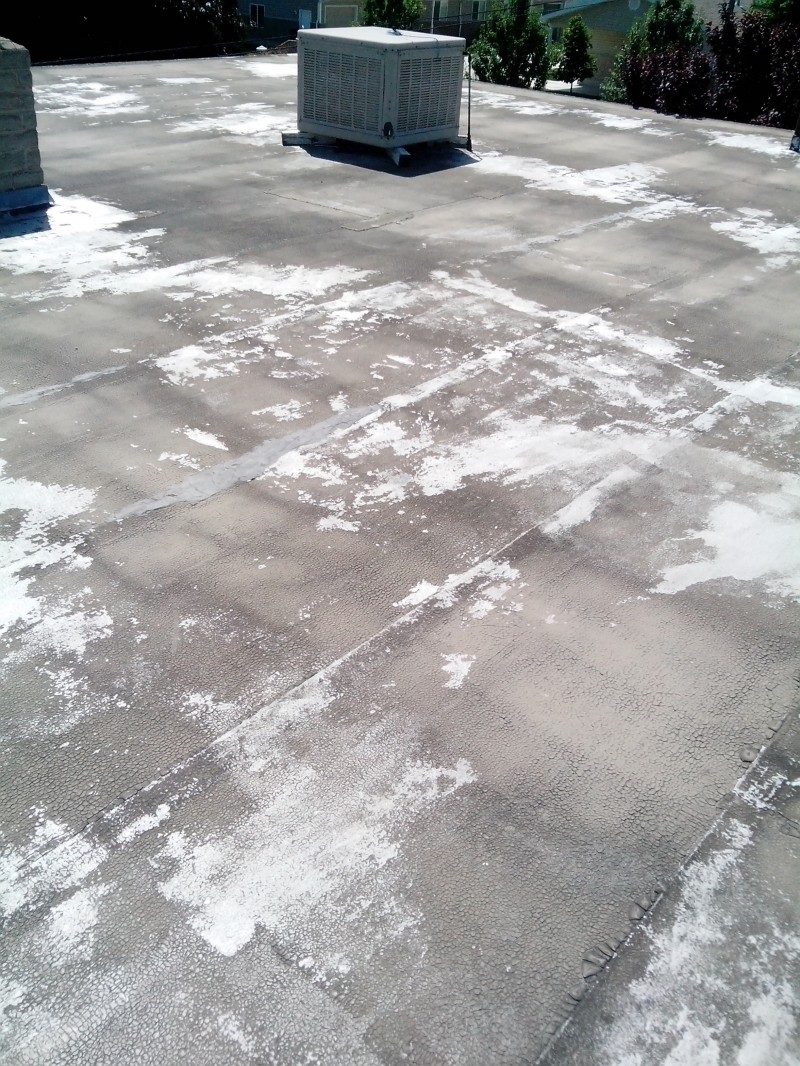
5 Common But Avoidable Commercial Roofing Problems
Read More ...




Comments
Leave a Reply
Have an account? Login to leave a comment!
Sign In