



Combating ice dams
By Jesse Sanchez.
Learn what causes ice dams and how proper insulation, ventilation and inspections can prevent costly winter roof damage.
Ice dams are one of the most common winter roofing problems and EAS Roofing says some regions’ weather patterns create ideal conditions for them to form. Heavy snowfall, freezing overnight temperatures and daytime thaws combine with older housing stock and under-insulated attics to create a cycle that can quickly lead to leaks, interior water damage and long-term structural deterioration.
Understanding how ice dams form is the first step in preventing them. When heat escapes from an attic, it warms the roof surface and melts the snow above it. That meltwater flows downward until it reaches the colder edges of the roof, where it refreezes and forms a ridge of ice along the eaves. As the process repeats, water backs up behind the ice ridge and is forced beneath shingles. Unlike rainwater, which flows down and off the roof, this trapped water can move upward and seep into areas not designed to handle moisture.
For example, Pittsburgh homes are particularly vulnerable because of frequent freeze-thaw cycles, uneven roof temperatures caused by heat loss and attic ventilation systems that may not effectively remove warm air. Blocked or frozen gutters can make the problem worse by restricting proper drainage. Even newer homes are at risk if insulation or ventilation if installed incorrectly.
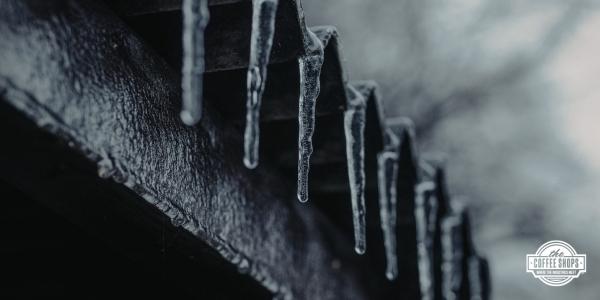
The warning signs are not always obvious at first. Large icicles hanging from gutters, thick ice buildup along roof edges and water stains on ceilings or exterior walls may signal trouble. Homeowners may also notice peeling paint, dripping water during cold weather or musty odors that suggest mold growth. By the time interior symptoms appear, moisture may already be affecting insulation and roof decking.
True prevention starts inside the attic. Improving insulation helps limit heat escape, while balanced intake and exhaust ventilation keep roof temperatures consistent. Sealing air leaks around vents, chimneys and attic access points further reduces uneven melting. Installing ice and water shields along vulnerable roof edges adds a layer of protection and scheduling a professional roof inspection can help identify risks before winter damage spreads.
Have a question? AskARoofer.
Find your local roofing contractor in the AskARoofer™ Contractor Directory.
About the author

Jesse is a writer for The Coffee Shops. When he is not writing and learning about the roofing industry, he can be found powerlifting, playing saxophone or reading a good book.
Recommended For You

Drains, scuppers and preventative roof maintenance
Read More ...
Navigating skylight options: A homeowner’s overview
Read More ...
The Versatility of Stone-coated Metal Roofing
Read More ...




Comments
Leave a Reply
Have an account? Login to leave a comment!
Sign In