



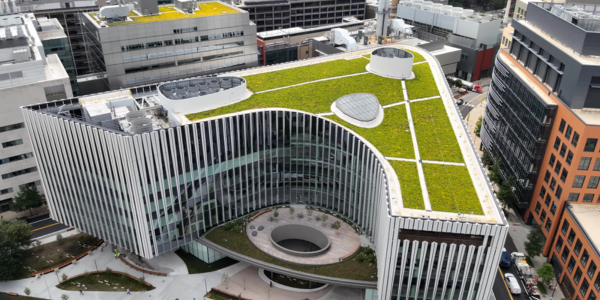
Climate resilience becomes a priority for commercial roof design
By The Coffee Shops™.
Building owners are rethinking roofing strategies as heat waves, heavy rainfall and severe storms place greater demands on commercial roof systems.
As extreme weather events become more frequent across the country, building owners and facility managers are reevaluating how roof systems are designed and maintained. In the article “Designing for Climate Resilience: Preparing Roof Systems for Heat, Storms and Extremes,” Greenwood Industries highlights how evolving climate conditions are reshaping expectations for commercial roofing performance and long-term durability.
According to the article, commercial roofs are now expected to handle more intense rainfall, prolonged heat exposure and stronger storm activity than many systems were originally designed to withstand. Greenwood Industries points to data from the National Oceanic and Atmospheric Administration showing a more than 70% increase in precipitation during the Northeast’s heaviest storm events since the mid-20th century. At the same time, rising temperatures and longer heat waves are placing additional stress on roofing assemblies.
These conditions can accelerate membrane aging, increase ponding water risks and place additional strain on roof edges, flashings and attachment systems. Freeze-thaw cycles in colder climates further contribute to wear and deterioration over time. Greenwood Industries explains that many of these stressors work together, compounding the pressure placed on roofing systems and increasing the importance of resilient design strategies.
To address these challenges, the company emphasizes the importance of designing roof systems with climate resilience in mind from the start. This includes evaluating drainage capacity, selecting materials capable of withstanding thermal expansion and moisture exposure and ensuring assemblies are properly detailed for high-wind and severe weather conditions. Preventive maintenance and regular inspections also play a critical role in identifying vulnerabilities before small issues become costly failures.
As climate-related stresses continue to impact commercial buildings, resilient roofing strategies are becoming less of an option and more of a necessity for protecting assets, occupants and long-term building performance.
Have a question? AskARoofer.
Find your local roofing contractor in the AskARoofer™ Contractor Directory.
Recommended For You
Spring checklist prepares commercial roofs for rain
Read More ...
Connecting with the right commercial contractor
Read More ...
5 Common But Avoidable Commercial Roofing Problems
Read More ...





Comments
Leave a Reply
Have an account? Login to leave a comment!
Sign In