


8 things roof inspectors always check
By Classic Construction.
Classic Construction breaks down what professional inspectors are looking for.
When it comes to commercial roofing, catching a problem before it becomes a catastrophe is easier said than done. Knowing where to look, and what to look for, takes practice and information. Classic Construction provides a useful checklist for what professional inspectors will look for when inspecting a commercial roof.
1 - Inspect the roof membrane
The membrane is the roof’s primary weather barrier. Its performance determines the state of the roof. When having a membrane inspected, they will look for surface punctures, blistering or bubbling and cracks or splits.
2 - Check seams and flashings
Seams and flashing are often a weak spot for commercial roofs with leaks frequently occurring in these areas. Common points of failure are seam separation, damaged flashings and failing sealants. Extra care is taken when inspecting these areas on TPO, EPDM and PVC systems.
3 - Evaluate drainage
Standing water dramatically shortens the lifespan of a commercial roof. To prevent this, it is important to have regular inspections done for the systems designed to handle excess water. Roof drains should be regularly checked to ensure proper drainage. Gutters and downspouts must be monitored for clogs, sagging or detached sections, and any low spots that may collect water after precipitation must be identified and fixed.
4 - Inspect rooftop equipment and penetrations
Similar to seams and flashings, rooftop equipment such as HVAC units, vents and skylights are common areas of failure on commercial roofs. During an inspection they will check that all seals are intact and that equipment supports are stable.
5 - Review insulation performance
While not a visible part of the roof, insulation should still be monitored. The inspector will check the roof for soft spots, sagging or staining. These may indicate wet insulation. Additionally, hot or cold spots can be a sign of insulation failure. When possible, they will also inspect the interior of the building for moisture or condensation.
6 - Identify storm and wind damage
Make sure to have the roof inspected after any major storms or other weather events. Hail can cause impact damage, while wind can lift roofing materials. Storm debris can also cause punctures in roofing membranes or films. Timely inspections in the aftermath of a storm can prevent further problems and bolster insurance claims.
7 - Check interior areas for signs of roof problems
The interior of a building is easily overlooked when inspecting a roof. However, it can show the first signs of a problem. Peeling paint or drywall, ceiling stains or musty odors can be the first sign of a problem not visible on the roof.
8 - Document everything
Arguably, the most important part of a roof inspection is documentation. Pictures, written and dated reports, recommended actions and repair priorities can all be invaluable in the event of an insurance claim and can support warranty protection.
Proper care of a commercial roof can be complex, but regular inspections can help prevent small issues from becoming major problems.
Have a question? AskARoofer.
Find your local roofing contractor in the AskARoofer™ Contractor Directory.
Recommended For You
Your roof is a complete system, not just the material you see
Read More ...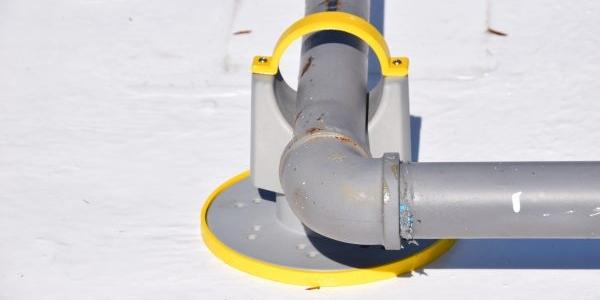
This Heavy Pipe Support System is No Dead Weight
Read More ...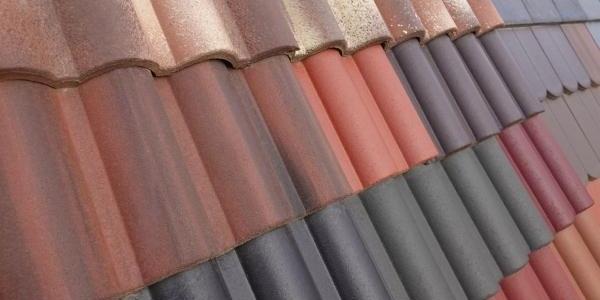
Where to Source Your Repair Tiles
Read More ...


Comments
Leave a Reply
Have an account? Login to leave a comment!
Sign In