



4 ways to improve commercial roof energy performance
By Jesse Sanchez.
Reflective membranes, insulation, roof coatings and routine maintenance can help commercial buildings in warmer climates reduce heat gain and improve roof performance.
Hot climates can put significant pressure on commercial roofing systems and the heating, ventilation and air conditioning (HVAC) equipment beneath them.
For property managers looking to improve building performance, Kodiak Roofing & Waterproofing identifies four practical strategies that address solar heat gain, insulation, roof condition and air infiltration.
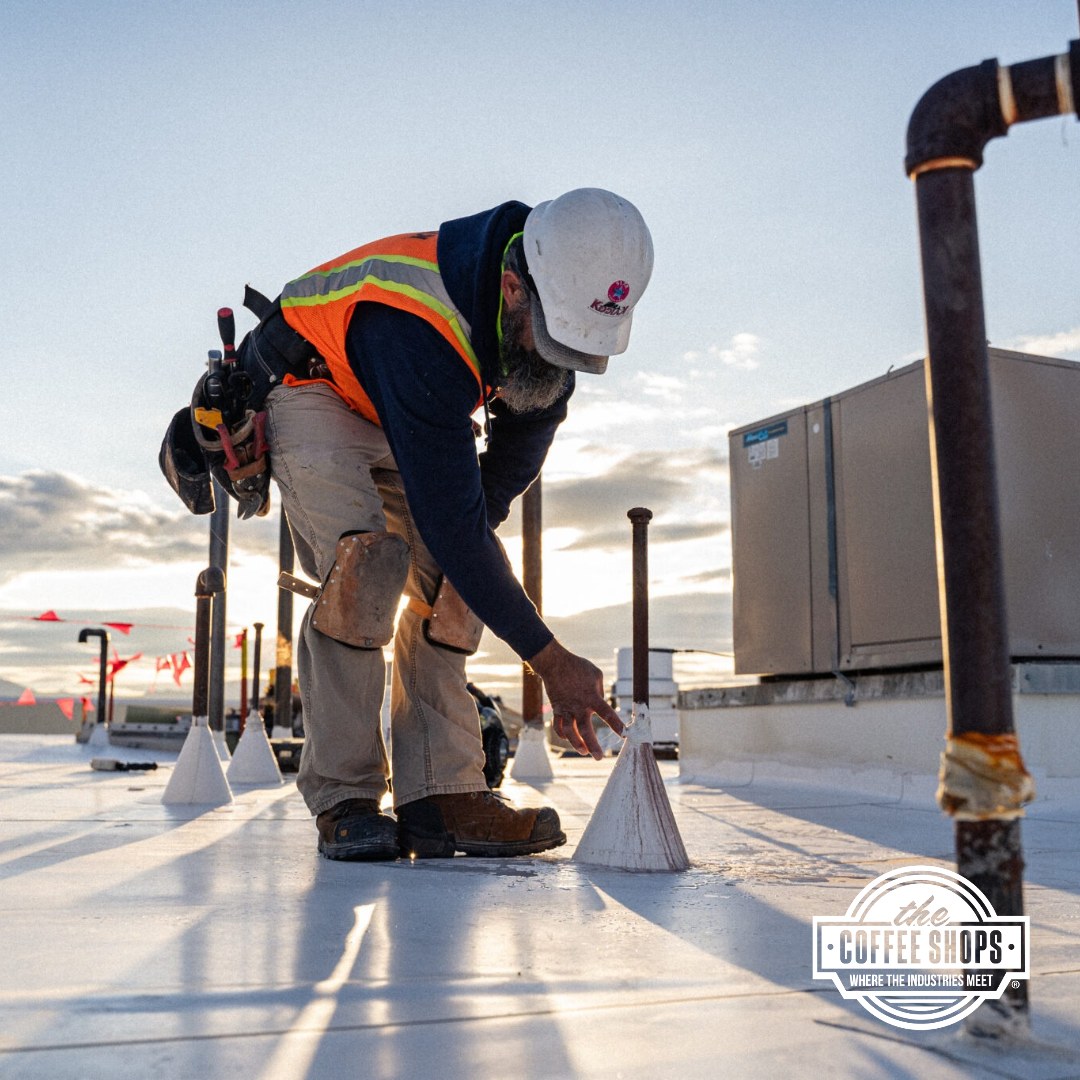
One of the most direct approaches is installing a reflective roofing membrane. Thermoplastic polyolefin (TPO), polyvinyl chloride (PVC) and other white membrane systems are designed to reflect solar radiation instead of absorbing it. According to Kodiak, reflective membranes can reduce rooftop surface temperatures by 50 to 80 degrees Fahrenheit compared with an uncoated system in areas with hotter climates, like California, reducing the amount of heat transferred into conditioned spaces.
Insulation also plays an important role. Roofing insulation is measured by R-value, with higher values indicating greater resistance to heat transfer. Kodiak notes that saturated or undersized insulation can contribute to increased HVAC demand. When a roof is being replaced, insulation upgrades can be incorporated into the project, while tapered insulation systems can also improve drainage slope and thermal performance.
For roofs that remain structurally sound, reflective coatings may provide another option. Applied over an existing membrane, these coatings can restore solar reflectance lost through weathering, ultraviolet exposure and foot traffic while sealing minor surface defects. Kodiak cautions that coatings are most effective when the underlying membrane and insulation remain in good condition.
Maintenance is another key factor. Unsealed penetrations, failing seams and deteriorated flashings can allow conditioned air to escape and exterior heat to enter. Regular inspections can identify these issues before they contribute to larger repair or energy-related problems.
States with legislation in place to address these issues, such as California’s Title 24 Building Energy Efficiency Standards, also establish performance requirements that can apply to commercial roofing projects, making material selection an important part of both energy planning and code compliance.
Have a question? AskARoofer.
Find your local roofing contractor in the AskARoofer™ Contractor Directory.
About the author

Jesse is a writer for The Coffee Shops. When he is not writing and learning about the roofing industry, he can be found powerlifting, playing saxophone or reading a good book.
Recommended For You

Contractor insights: Carnie Fryfogle III – CR3 American Exteriors
Read More ...
From Roof to Foundation: Consult an Expert When Selecting Appropriate Waterproofing System for Any Structure
Read More ...
Building Maintenance Made Easy
Read More ...




Comments
Leave a Reply
Have an account? Login to leave a comment!
Sign In